Emergency Plumbing · Grand Island, NE
Burst & Frozen Pipe Repair in Grand Island, NE
Emergency Plumber Grand Island takes the exact call this page covers: a pipe that has already let go. We handle burst pipe repair, frozen pipe thawing, emergency shutoff, and permanent repair or replacement on galvanized, copper, and PEX lines — from the first ring of the phone through the pressure test that confirms the fix holds.
A burst pipe here is rarely random. South-central Nebraska's winter frost line runs deep enough to reach water lines that a milder climate would never touch, and the ones that fail are almost always the same: unheated crawlspaces, exterior-wall runs, garage lines, hose bibs left connected into December, and basements that never see a furnace vent. Galvanized steel, copper Type L, and CPVC all sit in that same exposed run — the material changes which failure you get, not whether one happens.
Most single-point burst repairs are diagnosed, patched or re-piped, and pressure-tested in one to three hours. You get a fixed price before a cut is made, and every repair carries a written workmanship warranty — not a verbal promise that's hard to collect on later.
When Grand Island homeowners choose us for burst and frozen pipe work, they're calling the 2 AM–11 PM emergency dispatch line — built around shutting water off fast, protecting drywall and subfloor, and leaving a repair that survives the next freeze instead of just this one.
What We Do
Our Burst & Frozen Pipe Repair Services in Grand Island
Every burst-pipe call starts the same way: stop the water, protect the structure, then fix the line for good — whether that's a hairline crack under the kitchen sink or the kind of active flood our **emergency plumbing** team treats as a same-hour dispatch.
Emergency Shutoff & Water Make-Safe
A crack as small as one-eighth of an inch can release over 250 gallons of water in a single day, so the first job on any call is finding the shutoff and stopping that number cold. We walk you through the main valve over the phone while a truck is already moving.
Once water is off, we extract standing water, pull soaked insulation, and get fans on wet framing before it becomes a mold problem instead of a plumbing one.
Frozen Pipe Thawing, Done Without Cracking the Line
A frozen line hasn't burst yet — it's a warning, not a disaster, if it's thawed correctly. We use controlled heat along the pipe run rather than an open flame, which is how a DIY thaw attempt turns one frozen section into two burst ones.
We check both ends of the run for damage once it's flowing again, because a line that froze once had ice pressure pushing on a joint or fitting somewhere, even if nothing let go this time.
Permanent Repair Matched to Your Pipe Material
Galvanized steel supply lines, still common in Grand Island's pre-1950 housing stock, don't fail the way copper or PEX does — decades of internal scale narrow the pipe until a joint finally splits under pressure, rather than a clean crack opening.
We patch, re-sleeve, or replace the failed section in copper Type L, CPVC, or PEX depending on what's already in the wall, then pressure-test the whole run before we call the job done.
The Benefits
Burst & Frozen Pipe Repair Benefits
Fixing a burst pipe fast is about more than stopping today's puddle. Done right, it protects the structure behind the wall, cuts your risk next winter, and comes backed by a warranty instead of a handshake.
Stops Damage Before It Compounds
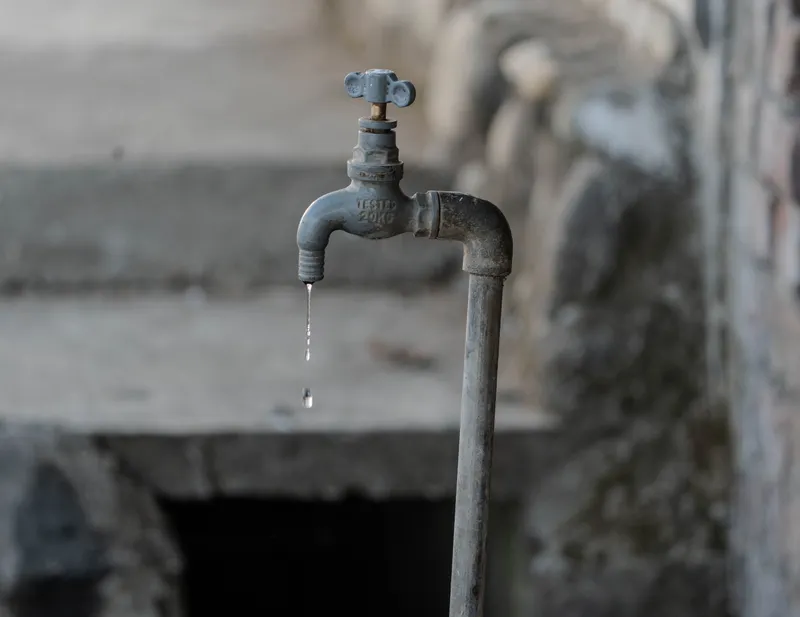
State Farm paid out more than $628 million on over 20,000 frozen-pipe and winter water-damage claims between 2024 and June 2025, with the average claim topping $30,000. Every hour a split line runs unaddressed adds to that number, so a fast shutoff and same-visit repair is the difference between a mop and a full remediation crew. That's the clock a 2 AM–11 PM line is built to stop.
Cuts Next Winter's Risk, Not Just This Break
Every repair visit ends with a straight answer on what to do before the next cold snap: heat tape and pipe insulation on exposed runs, letting a vulnerable tap drip on the coldest nights, and disconnecting garden hoses from outdoor bibs well before the first hard freeze. None of that costs much compared to a repeat call, and homeowners who follow it rarely need us for the same line twice.
Backed by a Written Repair Warranty
Every patch, re-sleeve, or section replacement carries a written workmanship warranty, not a verbal assurance that's hard to enforce months later. If a repaired joint fails under normal use, that's on us to fix — which is also why we pressure-test every run before the truck leaves rather than trusting the fix by eye.
Why Us
Why Choose Us for Burst & Frozen Pipe Repair
Here is what holds up on a Hall County burst-pipe call: careful work, honest urgency, and pricing that doesn't change once the wall is open.
The Same Technicians on Every Truck
Every technician who responds is trained to Nebraska's plumbing code standards, and carries the tools for both diagnosis and permanent repair on the same visit — no separate trip for a different specialist. That matters most on a burst-pipe call, because work often happens fast in a flooded crawlspace or basement, and any accidental damage during the repair is covered rather than becoming your problem.
We Know Which Grand Island Homes Fail First
Galvanized supply lines in pre-1950 construction and exposed garage or crawlspace runs are where we go first on a cold snap, because that's where a hard freeze finds the weak spots first. Reading which section of a house is about to fail — before it does — is the difference between a service call and a flood.
One Fixed Price, Confirmed Before We Cut
The price confirmed on-site is the number on the invoice, whether the repair takes one hour or three. There's no after-hours surcharge added once the job is finished, and if the scope changes once we're inside a wall, that's agreed with you before we continue — never billed as a surprise later.
If the failure turns out to be a slow drip instead of a dramatic split, see how leak detection finds it without tearing out a wall — or if it's your water heater that took the freeze hardest, we cover that too.
Frequently Asked Questions
How do I know if a pipe froze or actually burst?
A frozen pipe usually shows up as reduced or no water flow from one fixture, sometimes with frost visible on an exposed section of line, and the pipe itself is still intact. A burst pipe means water is already escaping — a wet ceiling, a puddle under a cabinet, or an active drip you can hear. The two calls get different first responses: a frozen line gets careful thawing, while a burst line gets an immediate shutoff before anything else. If you're not sure which one you're dealing with, treat it as a burst and shut the water off at the main valve until a technician confirms.
Why do so many pipes actually burst on the thaw, not during the coldest night?
Ice inside a pipe expands and can split the wall of the pipe or a joint while the water is still frozen solid, but the ice itself often plugs the crack and nothing leaks yet. It's only once temperatures climb and that ice melts that water finds the split and starts flowing, which is why a mild afternoon after a hard freeze produces more emergency calls than the freeze itself. That delay catches a lot of Grand Island homeowners off guard, since the damage looks unrelated to the cold snap that actually caused it. Treat any pipe that was exposed to a hard freeze as a risk for several days after temperatures recover, not just during the freeze.
Which parts of a Grand Island house actually freeze first?
Unheated crawlspaces, pipe runs along exterior walls, garage lines, hose bibs left connected into winter, and basements without a furnace vent nearby are the recurring failure points on our winter calls. Interior pipes running through conditioned space rarely freeze; it's almost always a line that spends real time in unconditioned air. A hose bib or an exterior-wall line under a kitchen sink is a common surprise, because homeowners assume 'inside the house' means protected. If your home has any of these features, they're worth checking, or insulating, before the first hard freeze of the season.
Does a galvanized pipe fail differently than a copper or PEX line?
Yes — galvanized steel, common in Grand Island housing built before 1950, corrodes and scales from the inside over decades, so the pipe narrows gradually until a joint or a thin section finally splits under freeze pressure. Copper and PEX don't scale that way; they tend to fail from a single freeze event cracking the wall of the pipe rather than years of internal buildup. That difference changes the fix: a failed galvanized section is often better replaced with copper Type L or PEX than patched, since the surrounding pipe is usually just as corroded. We assess the pipe material on-site before recommending a spot repair versus a longer re-pipe.
How much does burst pipe repair cost in Grand Island?
A single-point burst pipe repair typically runs $300 to $1,500, depending on how accessible the break is and whether the section needs a full re-pipe rather than a patch. A line inside a finished wall or under a slab costs more to reach than one in an open crawlspace. You get a fixed price confirmed on-site before any repair work starts, not a phone estimate that changes once a technician is standing in the water. Emergency or after-hours dispatch carries its own service call fee, typically $150 to $500, folded into that same fixed quote.
Can a burst pipe really be fixed in one visit?
Most single-point burst repairs are diagnosed, patched or re-piped, and pressure-tested in one to three hours on the same visit. That includes shutting the water off, cutting out the failed section, and confirming the new joint holds under normal house pressure before the technician leaves. A repair that turns out to involve a slab leak or a longer run of corroded galvanized pipe can take longer, sometimes a follow-up visit once the full extent is visible. We tell you which situation you're in before we start cutting, not after.
What actually stops a pipe from freezing again next winter?
Heat tape wrapped along exposed pipe runs and pipe insulation sleeves on crawlspace and exterior-wall lines are the two most effective fixes, and both are inexpensive compared to a repeat emergency call. Letting a vulnerable tap drip slightly on the coldest nights keeps water moving through the line, which resists freezing better than standing still water. Disconnecting garden hoses from every outdoor bib before the first hard freeze matters more than most homeowners realize, since a connected hose traps water in the bib itself. We point out every exposed run on the property during a repair visit so none of this is guesswork.
Do you have to cut open drywall to reach a burst pipe?
Sometimes, but not always — a break in an accessible crawlspace, basement, or garage line usually doesn't require opening a wall at all. A pipe inside a finished wall cavity does need a targeted opening, but we cut the smallest access point that reaches the failed section rather than removing an entire wall panel. Any drywall cut during a repair is something we discuss with you first, and it's included in the fixed price rather than billed as a surprise afterward. We patch large openings ourselves; full drywall finishing and paint match is typically referred out.
Is a burst pipe covered by homeowners insurance?
Sudden, accidental pipe bursts are typically covered by standard homeowners insurance policies, though coverage details and deductibles vary by carrier and policy. What's usually excluded is damage from a pipe left to freeze through neglect — for example, a vacant home with the heat shut off entirely through a hard winter. State Farm alone paid out more than $628 million on over 20,000 frozen-pipe and winter water-damage claims between 2024 and June 2025, so insurers do expect and plan for these calls. We provide a written invoice and photos of the failure on request, which most adjusters ask for when a claim is filed.
What if the burst is on the water line coming into the house, not inside it?
A break on the service line between the meter and the house is still our call to make, and it's handled the same way — shutoff, diagnosis, and a fixed-price repair — though it may involve a short excavation if the break is underground. That kind of work falls under standard local permit requirements for water-service repair, the same as any other city job. It's usually a longer job than an indoor break, often a half-day to a full day depending on depth and soil conditions, rather than the one-to-three-hour window for an accessible indoor repair. We confirm which side of the meter the problem is on during the initial phone call so you know what to expect before the truck arrives.
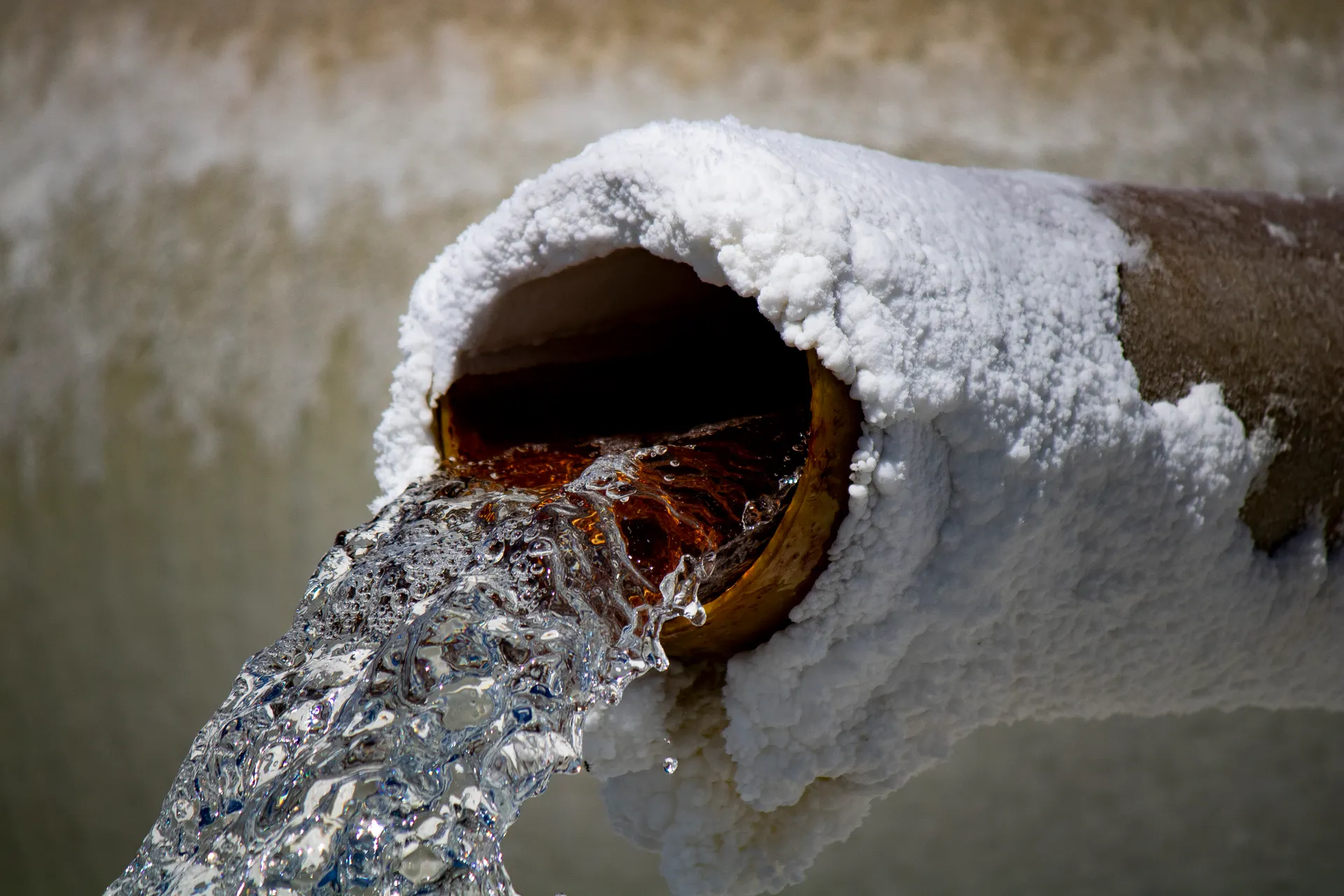
Get a Fixed Price on Your Burst Pipe Repair
and dispatched 2 AM to 11 PM across Grand Island and Hall County. Call (716) 442-8748.
(716) 442-8748