Emergency Plumbing · Grand Island, NE
Drain Cleaning in Grand Island, NE
Every clog has a story, and Emergency Plumber Grand Island takes them on across Hall County — snaking and augering, hydro jetting, kitchen sink drain cleaning, and main line drain cleaning, available 2 AM–11 PM every day if a slow drain turns into a backup. Most calls resolve in a single visit, no return trip needed.
A clogged drain here is rarely just hair and soap scum. Grand Island's water utility has reported hardness up to 22 grains per gallon, and that mineral load builds up on the inside of older pipe walls the same way it coats a kettle element. In a house still running original cast-iron or galvanized branch lines, decades of that buildup narrow the usable diameter until ordinary daily use is enough to back things up.
We start with the least invasive method that will actually clear the line — cabling, in most cases — and move to hydro jetting once scale, grease, or roots have built up enough that a cable only punches a hole through the blockage instead of clearing it.
A slow drain call here isn't just a five-minute fix. We check whether it's a single fixture problem or an early warning of a main-line issue, so the same drain isn't calling us back again in six weeks.
What We Do
Our Drain Cleaning Services in Grand Island
Not every clog needs the same tool. We match the method to what's actually inside the pipe, backed by a camera when the cause isn't obvious from the symptoms alone.
Cabling & Augering
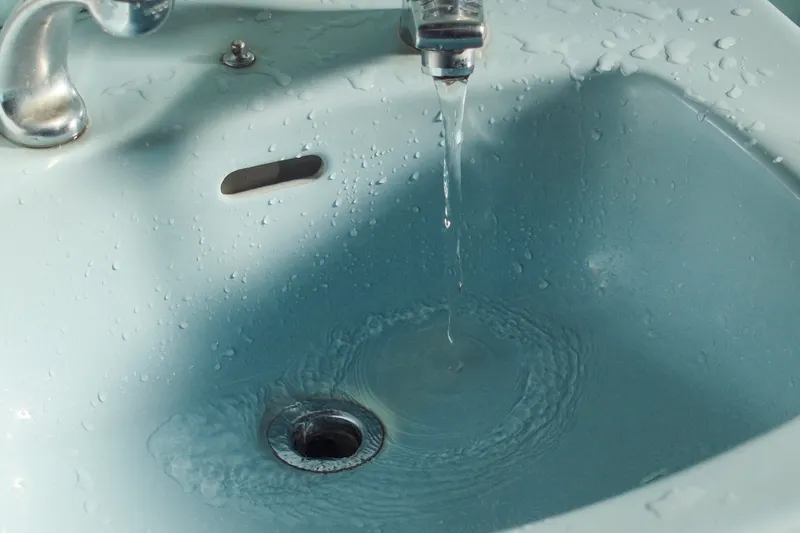
Standard cabling clears most single-fixture clogs — a slow kitchen sink, a backed-up bathroom drain — in 30 to 90 minutes, using a motorized cable that cuts through hair, soap buildup, and light scale. Technicians work to Uniform Plumbing Code standards on every fixture, whether it's a garbage disposal line or a tub drain.
It's the right first move for the majority of calls and the fastest route back to a working drain when the blockage is straightforward rather than structural.
Hydro Jetting for Heavy Buildup
When cabling keeps punching through the same clog every few months, hydro jetting scours the full interior of the pipe with high-pressure water instead of just boring a channel — a job that typically runs 1 to 3 hours depending on line length.
It strips scale and grease off the pipe wall rather than tunneling through the middle of it, which is why the results hold longer between service calls than repeat cabling.
Main Line & Camera Diagnosis
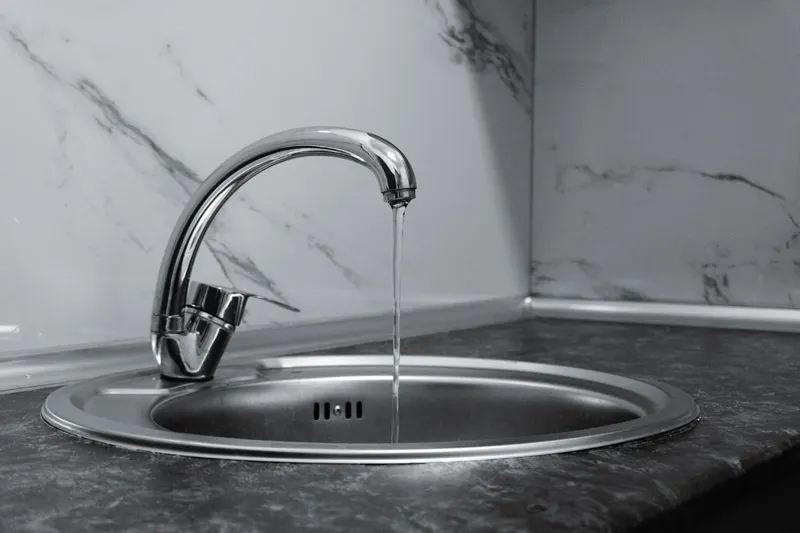
A backup affecting more than one fixture — the tub filling when the washing machine drains, for instance — usually points to the main line rather than one drain, and typically takes 1 to 2 hours to clear.
We run a camera down the line to confirm whether the cause is grease, a bellied section, or root intrusion from mature trees near older Grand Island blocks, before recommending anything beyond a standard cleaning.
The Benefits
Why Professional Drain Cleaning Pays Off in Grand Island
A cleared drain today is only half the job. Done right, it also tells you whether you're looking at a five-minute fix or an aging line heading toward failure.
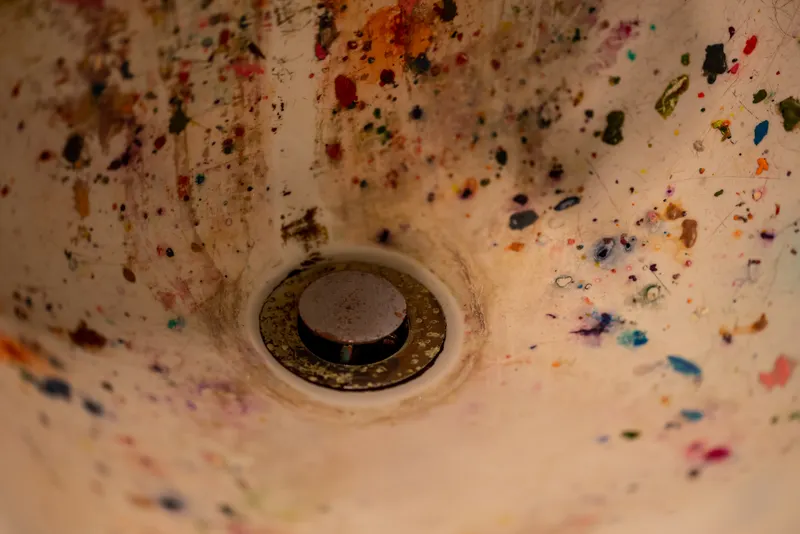
Finds the Real Cause, Not Just the Symptom
A store-bought chemical cleaner or a quick cable pass can clear today's clog without explaining why it happened. Camera inspection shows whether you're dealing with ordinary grease buildup, hard-water scale narrowing a galvanized branch line, or root intrusion into a cast-iron main — three different problems with three different fixes. Knowing which one you actually have is what stops the same clog from returning next season instead of paying to clear it again and again.
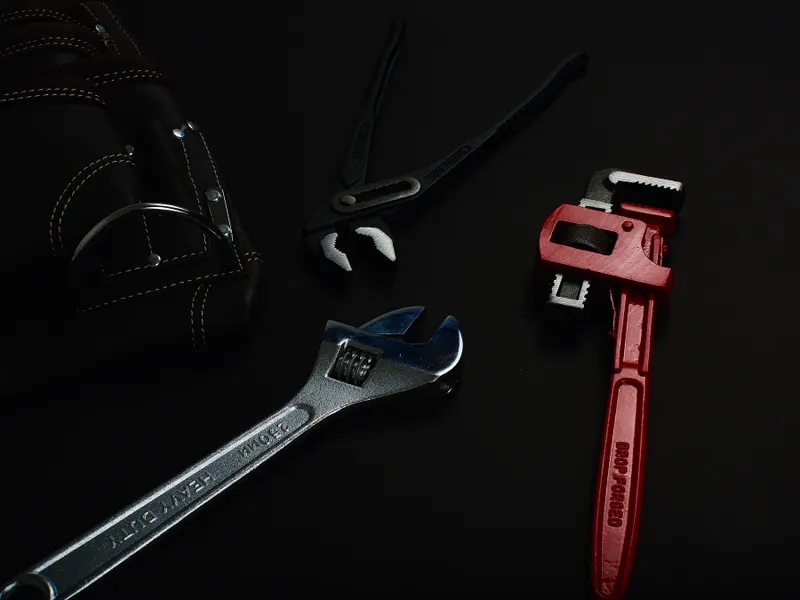
Protects Older Cast-Iron and Galvanized Lines
Grand Island's pre-1950 housing stock commonly still runs original cast-iron drain lines and galvanized branch lines, both more fragile than modern PVC Schedule 40 or ABS. Aggressive DIY methods — wire hangers, over-strength chemical cleaners — can crack old cast iron or eat through spots hard water has already thinned. A trained technician reads the pipe material before choosing cabling or jetting, so the fix doesn't create a second, worse problem.
Prevents an Overnight Backup
A main line running at 80% capacity from grease and scale rarely announces itself gradually — it goes from 'slow' to 'backing up into the tub' over the course of one heavy-use evening. Routine drain cleaning ahead of that point costs far less and disrupts far less than an emergency plumbing call after the line finally gives out, especially with a house full of guests during Husker Harvest Days or Nebraska State Fair week.
Why Us
Why Grand Island Chooses Us for Drain Cleaning
Central Nebraska's hard-water drains clog in a handful of predictable ways, and we work out which one it is before choosing a tool.
We Cable First, Jet Second — Never the Reverse
Some companies push hydro jetting on every call because it bills higher. We don't. If cabling will genuinely clear your line, that's what we quote, and jetting only gets recommended when scale or roots actually require it. That honesty is a big reason calls from the same Grand Island address rarely repeat within the same year, and it's backed by the same one- to two-year workmanship guarantee we put on every job.
Technicians Who Read the Pipe First
Every technician knows the difference between working on modern PVC Schedule 40 and century-old cast iron. That distinction decides which tool goes down the line first — get it wrong, and a routine cabling job turns into a cracked pipe and a much bigger repair.
Local Enough to Know Which Blocks Have Roots in the Lines
Grand Island's older blocks near the historic core carry mature trees whose roots find their way into century-old cast-iron joints; newer subdivisions on PEX and PVC almost never see that problem. Factoring in a neighborhood's age before quoting camera work saves you paying for an inspection you probably don't need.
Wondering whether hard water is behind the buildup? See how water softener installation tackles the mineral side of the problem, or if a camera turns up more than a clog, our sewer line repair crew picks up from there.
Frequently Asked Questions
What's the actual difference between drain cabling and hydro jetting?
Cabling — also called snaking or augering — uses a motorized cable with a cutting head to bore through a clog and pull debris back out, and it clears most single-fixture blockages in 30 to 90 minutes. Hydro jetting instead blasts high-pressure water through the entire pipe wall, scouring off grease and scale rather than just cutting a channel through the middle, and typically takes 1 to 3 hours. Cabling is usually our first move because it's faster and cheaper; we step up to jetting when a line keeps re-clogging or when a camera inspection shows heavy buildup a cable alone won't remove.
How much does drain cleaning cost in Grand Island?
A standard single-fixture drain cleaning typically runs $150 to $500 depending on access and how stubborn the clog is, while hydro jetting for heavier buildup runs $350 to $1,000 because of the extra equipment and time involved. Main line work sits toward the higher end of that range since it usually takes 1 to 2 hours rather than 30 to 90 minutes. We quote the price before starting, once we know whether cabling will do the job or whether the line needs jetting.
How can I tell if it's one slow drain or a main-line backup?
One clue is whether more than one fixture is affected at once — if flushing the toilet makes the bathtub gurgle or back up, or running the washing machine backs up a floor drain, that points to the main line rather than an isolated fixture. A single slow sink or tub that drains fine everywhere else is usually a localized clog close to that fixture's trap. If you're seeing backups in multiple places in the house at the same time, treat it as urgent and call rather than trying another round of drain cleaner. Multi-fixture backups almost always need a camera inspection before any cleaning method gets recommended, since the fix depends entirely on what the line actually shows.
Are store-bought chemical drain cleaners safe to use before calling a plumber?
Occasional use on a fresh, minor clog usually won't cause harm, but repeated use is genuinely risky in older Grand Island homes, especially ones with original cast-iron drain lines from before 1950. Strong chemical cleaners generate heat that can soften or crack aging pipe, and they do nothing for the underlying cause if hard-water scale or root intrusion is the real problem. If a single dose doesn't clear it, stop and call rather than pouring in a second bottle — professional cabling or jetting is safer for old pipe and actually fixes the cause instead of masking it.
How often should drains be professionally cleaned as maintenance?
Most Grand Island homes do fine with professional drain cleaning every 12 to 24 months as preventive maintenance, though kitchens with heavy grease use or homes on original cast-iron lines often benefit from annual service. If you're calling about the same drain more than once in a year, that's usually a sign the line needs hydro jetting or a camera inspection rather than another routine cable pass. Commercial kitchens and multi-bathroom rental properties typically need more frequent service than a single-family home does.
Why do my kitchen and bathroom drains clog differently?
Kitchen sinks clog fastest because grease, food particles, and coffee grounds coat the inside of the pipe and harden as they cool, narrowing the line over time even with a garbage disposal running. Bathroom sinks and tub drains clog mainly from hair and soap scum, which combine with Grand Island's 18 to 22 grains-per-gallon hard water to form a stickier buildup than areas with softer water see. Both problems respond well to routine cabling, but a kitchen line with heavy grease history is often a good candidate for hydro jetting instead of repeat cabling visits. Laundry drains fall somewhere between the two, picking up lint and detergent residue that behaves a lot like soap scum over time.
Can tree roots really get into my drain lines, and how do you find them?
Yes — mature trees near older Grand Island properties send roots toward any moisture source, and a hairline gap at a cast-iron pipe joint is exactly that. Once roots enter, they grow into a mesh that catches paper and grease until the line backs up completely, a common issue in the city's older neighborhoods. We confirm root intrusion with a camera inspection rather than guessing, and depending on severity we either clear it with root-rated cabling or refer it to a sewer line repair if the pipe itself is damaged.
What does a camera drain inspection actually show you?
A camera inspection sends a waterproof lens down the line so we can see the actual condition of the pipe — grease coating, scale buildup, a cracked joint, a bellied section holding standing water, or root intrusion — rather than guessing from symptoms alone. It typically takes 30 to 60 minutes and tells us which method will actually fix the problem instead of just moving the clog further down the line. We recommend it whenever a drain has clogged more than once in a short period or when cabling alone hasn't held.
My toilet keeps clogging — is that a drain cleaning issue or something else?
A toilet that clogs occasionally is often just a flushing habit or an older low-flow model that doesn't clear solids well, which is closer to a toilet repair fix than a drain cleaning job. But if the toilet backs up at the same time other fixtures do, or if cabling the toilet's own trap doesn't hold for more than a week or two, the problem is likely further down the line in the main drain rather than in the toilet itself. We check both possibilities on the same visit so you're not paying for a toilet replacement when the real issue is 20 feet downstream.
Is hydro jetting risky on Grand Island's oldest pipe, and how do you make that call?
The real risk isn't hydro jetting itself — it's running full pressure through a joint that's already compromised. On cast-iron lines from Grand Island's pre-1950 housing stock, we dial the water pressure down from what we'd run on new PVC and always camera-inspect the line first, rather than jetting blind and hoping the pipe holds. If the camera shows a joint that's already separating or a wall thinned by decades of hard water, we skip jetting entirely and talk through repair or lining options instead. Cabling stays the safer default on a line we haven't inspected yet; jetting only gets the green light once we've actually seen what's inside.

Get Your Drain Cleared Today
Cabling, hydro jetting, and camera inspection. Call (716) 442-8748 for same-day service.
(716) 442-8748