Emergency Plumbing · Grand Island, NE
Gas Line Repair & Installation in Grand Island, NE
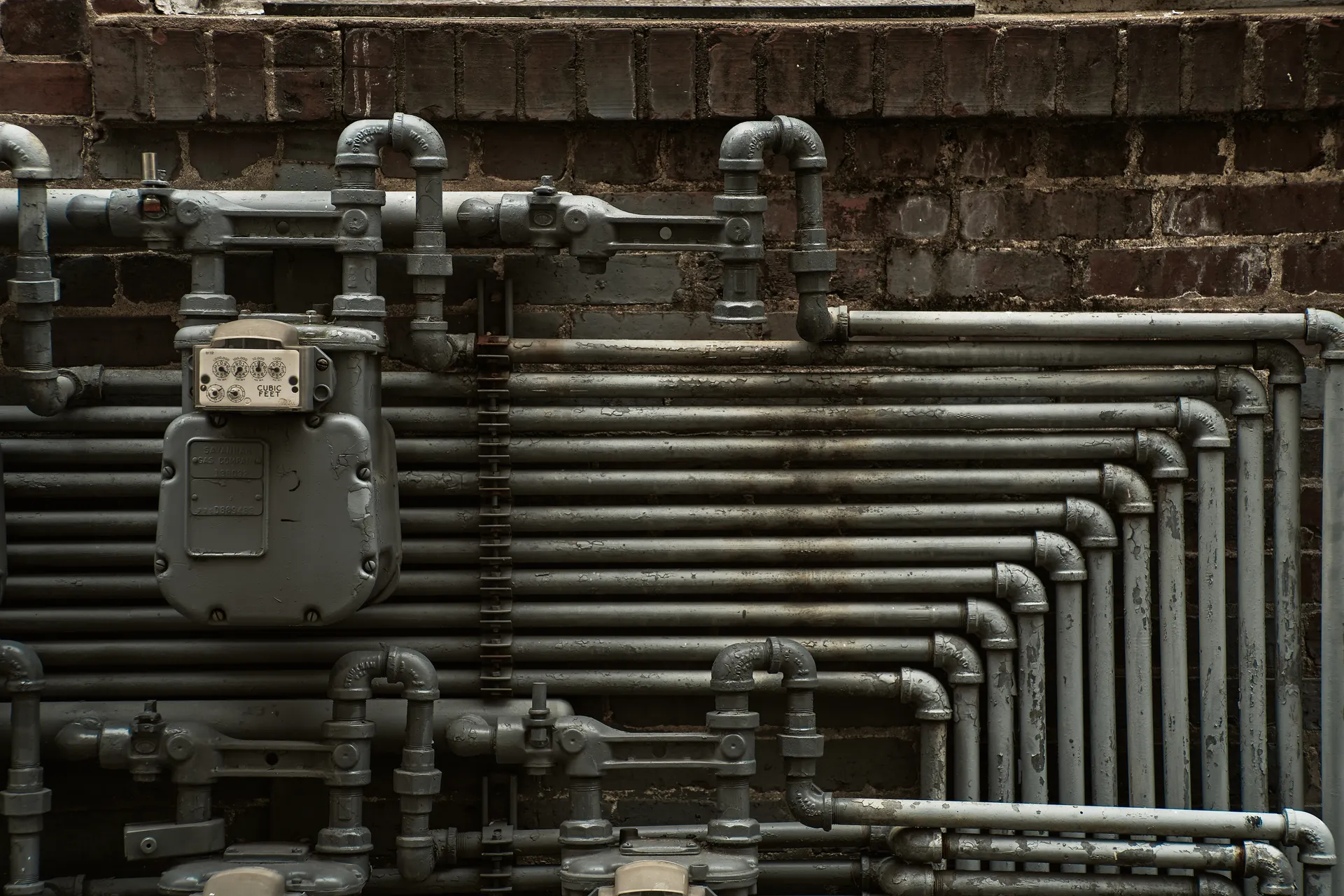
If you smell gas, get everyone out of the house first — then call 911 and the gas utility from outside. Don't flip a light switch, don't use your phone indoors, and don't go looking for the leak yourself. Once everyone's safely clear, Emergency Plumber Grand Island handles gas line repair and installation across Hall County — leak detection, pressure testing, appliance connections, and new gas line runs for a range, dryer, garage heater, or fire pit.
That evacuation order never changes based on who you call first. We'd rather you're standing safely in the yard than waiting indoors for a truck to arrive. Once the utility or fire crew confirms it's safe to go back in, we handle the diagnosis: pressure testing the line, sizing the correct BTU load for whatever's being connected, and choosing black iron or CSST piping based on the run.
Most repairs run 1 to 3 hours; a new line for a single appliance typically takes 3 to 6 hours, including the pressure test. Every job is permitted and inspected through the city's process, and pricing is written before we start.
A gas line only earns trust one way — every joint tested, every appliance sized correctly, every job signed off by an inspector who isn't us. That's the standard on every call, whether it's a Tuesday morning repair or a 2 a.m. leak.
What We Do
Our Gas Line Repair & Installation Services
We repair, test, and install gas lines for homes and businesses across Grand Island, from a single leaking fitting to a full new run for a garage heater or outdoor fire pit. Every job is pressure-tested and permitted, never assumed safe.
Gas Leak Detection & Pressure Testing
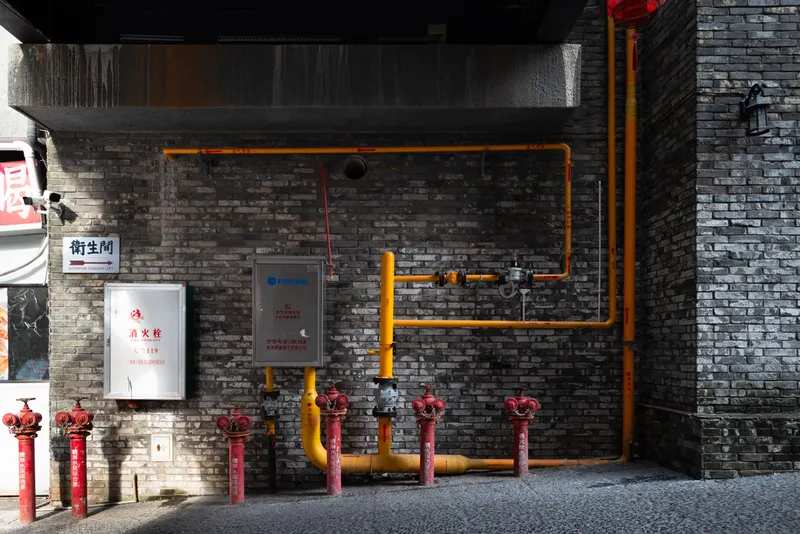
A gas line doesn't have to be actively leaking at the moment you smell something for it to be a real problem — a slow leak at a fitting or an aging connector can build gradually. We pressure-test the full line, checking every joint and connection point against a sustained hold rather than a quick spot check.
If a leak is confirmed, the line is isolated and repaired before it's put back into service, and we retest before calling the job done. Typical repair jobs run $150 to $800 depending on what's found and how accessible the line is.
Gas Line Installation for Appliances
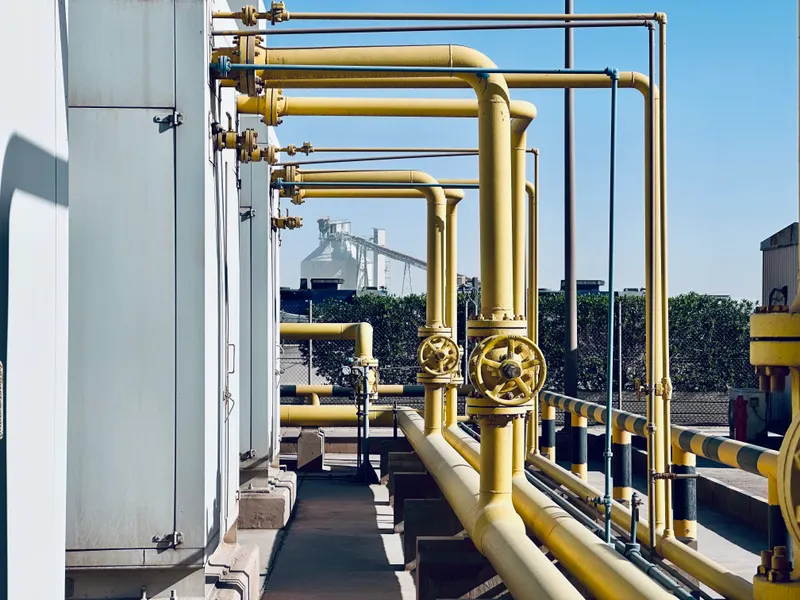
Adding a gas range, dryer, garage heater, or outdoor fire pit means running a new line sized correctly for that appliance's BTU demand — undersize it and the appliance underperforms; oversize it and you're paying for pipe you don't need. We calculate load before cutting any pipe.
New appliance runs are built in black iron or CSST depending on the route and the space, typically $300 to $1,200 installed, usually 3 to 6 hours including the final pressure test.
Permitted, Inspected Installation
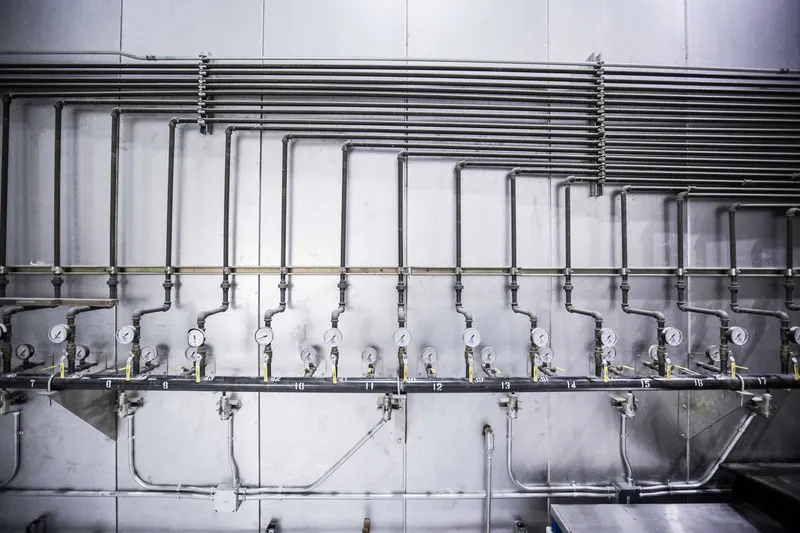
Gas line work in Grand Island runs through the city's Building Services Division permitting process, and we pull that permit and schedule the required inspection as part of the job — not an afterthought you have to chase down.
That paper trail matters at resale, and it means a second set of eyes confirms the work before the line goes into daily use. We walk you through what's inspected and when, so none of it is a surprise.
The Benefits
Gas Line Repair & Installation Benefits
Gas line work isn't about convenience the way a faucet swap is — it's a safety system in your home, and every benefit below comes back to that one fact.
Safety You Can Actually Verify
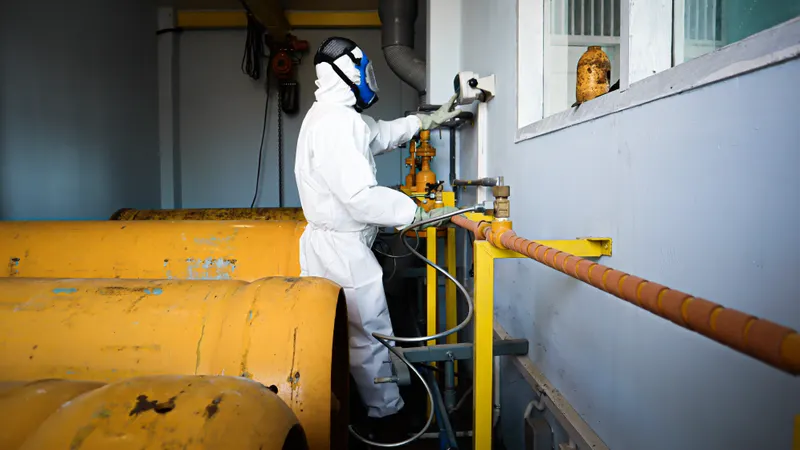
A pressure test isn't a formality — it's proof the line holds at operating pressure with no drop before an appliance is ever connected. We document that test as part of the job, so you're not taking anyone's word for it. Combined with a permitted inspection through the city, that's two independent checks on a system where getting it wrong isn't a minor inconvenience. That layered verification is the entire point of hiring a proper crew instead of a shortcut.
An Appliance That Runs the Way It Should
A gas line sized to the wrong BTU load shows up as a range that won't reach full heat or a garage heater that struggles in a Nebraska winter — the appliance isn't broken, the line feeding it is undersized. Calculating load correctly before running the pipe means the appliance performs the way the manufacturer intended from day one, instead of you troubleshooting a problem that was actually decided before installation ever started.
Permitted Work That Protects the Home
An inspected gas line becomes part of the documented history of the house, which matters more than it sounds like at resale or if an insurance claim ever touches that system. Unpermitted gas work is a real liability buried in a wall or crawlspace, invisible until it's a problem for someone else down the line. Doing it through the city's process the first time means there's nothing to explain to a future buyer or inspector.
Why Us
Why Grand Island Trusts Us for Gas Line Work
Gas work gets one chance to be right the first time — here's how we make sure it is.
Pressure-Tested, No Exceptions
Every gas connection is pressure-tested before sign-off, full stop — this isn't a category of plumbing work where we send whoever's available. Each job is pressure-tested before an appliance goes live and documented as part of the file. Ask to see the pressure-test result before we close anything up and we hand it over without hesitation.
We Know Hall County's Permitting Process
Gas line work here runs through the city's Building Services Division permitting process, and we handle that paperwork and the inspection scheduling as a standard part of the job rather than leaving it to you. Mapping out the Building Services Division's steps before the job starts means a permit never turns into a delay you didn't see coming.
Calm, Careful, No Shortcuts
There's no upsell pressure and no rushing on a gas line — we test, we verify, and we tell you plainly if something needs to wait for a part or an inspection slot. If the honest answer is that we won't connect an appliance until a line retests clean, that's the answer you get, every time.
If a gas-fired water heater is part of what's not working, see how we handle gas water heater line work as part of a full water heater visit, or emergency plumbing if a gas issue turns out to be part of a bigger problem in the house. For anything beyond gas — a true plumbing emergency during our 2 AM–11 PM hours — see our emergency plumber page, or head back to Emergency Plumber Grand Island for the full service list.
Service Area
Serving Grand Island & Surrounding Areas
Frequently Asked Questions
What should I do if I smell gas in my house?
Leave the house immediately — don't stop to open windows, don't flip a light switch on or off, and don't use a phone while you're still inside, since even a small spark can ignite a leak. Once you and everyone else are safely outside, call 911 and then the gas utility from a safe distance, not from indoors. Do not go back in to check on the smell yourself, and don't wait for a plumber to arrive before evacuating — that decision should never depend on who you call first. After the fire department or utility confirms it's safe, call us at (716) 442-8748 to diagnose and repair the actual line.
How much does gas line repair cost in Grand Island?
Most gas line repairs run $150 to $800, depending on what's failed and how accessible the line is — a fitting near an appliance connection is on the lower end, while a leak inside a wall or crawlspace runs higher. A new gas line installed for a single appliance, like a range or a fire pit, typically costs $300 to $1,200. Every price is confirmed on-site after pressure testing and diagnosis, in writing, before repair work begins. Emergency dispatch on a suspected leak is prioritized above scheduled work.
Is gas line work in Grand Island actually permitted and inspected?
Yes — gas line installation and repair runs through the City of Grand Island's Building Services Division permitting process, the same office that handles plumbing permits under City Code Chapter 26. We pull the permit and schedule the required inspection as a standard part of the job, not something left for you to arrange separately. That inspection is a second, independent check confirming the line was installed correctly before it goes into daily use. Skipping that step is a real liability at resale or with an insurance claim.
What's the difference between black iron and CSST gas piping?
Black iron pipe is the traditional rigid steel gas piping, threaded and assembled section by section — durable, but slower to install around obstacles. CSST (corrugated stainless steel tubing) is flexible, snakes through joists and walls with far fewer fittings, and typically installs faster on a new appliance run. Both are code-compliant options; the right choice depends on the specific route, the appliance's BTU demand, and whether the line runs through open framing or a finished space. We size and choose the material during the on-site assessment, not before seeing the actual run.
How do you size a gas line for a new appliance?
Every gas appliance has a rated BTU input requirement — a garage heater, a fire pit, and a gas range don't demand the same volume of gas, and the pipe diameter has to match that demand over the given run length. We calculate total connected load, including anything else already on the same line, before selecting pipe size and material. Undersizing the line starves the appliance and it underperforms; oversizing wastes material and installation cost for no benefit. That calculation happens before a single section of pipe is cut.
How long does gas line installation or repair take?
A straightforward repair — a leaking fitting or a failed connector — typically takes 1 to 3 hours, including the pressure test before and after the fix. Installing a new line for a single appliance, like a range, dryer, garage heater, or outdoor fire pit, usually runs 3 to 6 hours, factoring in the run length and whether the line passes through finished space. Same-day service is available for most repairs. A permitted new installation also depends on the city's inspection scheduling, which can add a day or two beyond the on-site work itself.
Do you test gas lines for leaks even if I haven't noticed a smell?
Yes — pressure testing is standard on every gas line job, not just the ones where a leak is suspected. The line is pressurized and held for a sustained period to confirm there's no drop, which catches slow leaks at fittings or connectors long before they'd be noticeable by smell. Every new installation gets this test before an appliance is ever connected, and every repair gets retested after the fix to confirm it holds. We document the result as part of the completed job.
Can you run a gas line for an outdoor fire pit or garage heater?
Yes — both are common requests, and each has its own BTU load and routing considerations since the line usually has to run outside the conditioned envelope of the house. A fire pit line typically runs underground in appropriately rated pipe, while a garage heater line is sized for the sustained draw a space heater pulls during a Nebraska winter. We calculate the load, choose black iron or CSST based on the route, and pull the same city permit and inspection required for any other gas line installation.
How do you verify a gas line is actually sealed before sign-off?
Every connection gets a pressure test held for the full required duration, not a quick soap-bubble check, and we provide the result on request before work is signed off. Gas line work is not a category where we send an apprentice alone or skip a step to save time; every connection gets pressure-tested and every new installation goes through the city's permit and inspection process. If a company won't produce insurance documentation before touching your gas line, that's worth treating as a warning sign, not a minor detail.
Can a gas line repair wait, or is it always an emergency?
If you can smell gas or hear a hissing sound near a line or appliance, that's never a wait-and-see situation — evacuate first, then call 911 and the utility, and reach us once it's safe. A confirmed slow leak that's already been isolated and shut off by the utility can sometimes wait for a scheduled repair rather than an emergency dispatch, but that call should come from the utility or fire department, not a guess made at home. For anything involving an active smell, a hissing sound, or a carbon monoxide alarm, treat it as urgent every time — call (716) 442-8748 once you're safely outside.
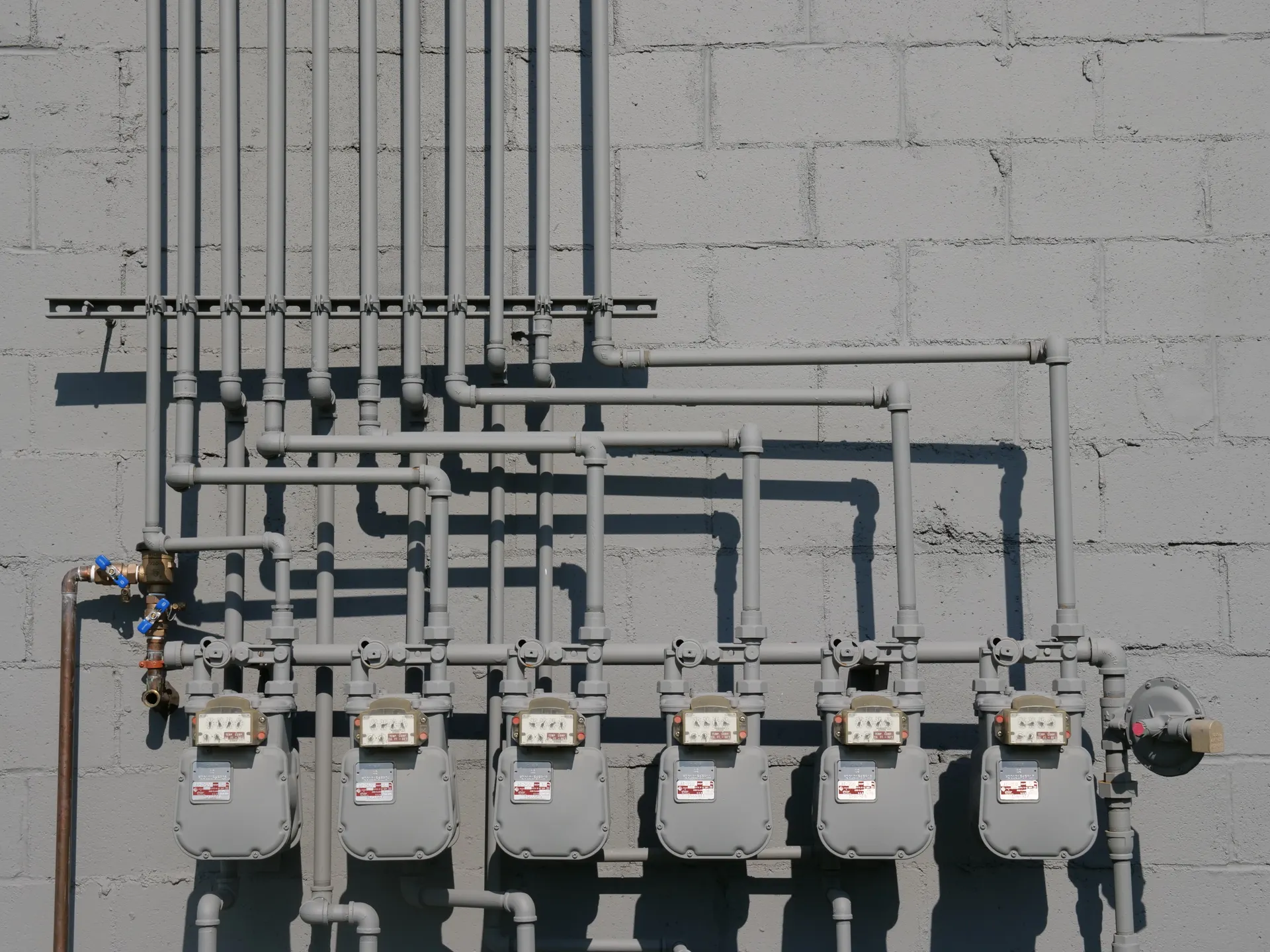
Get Your Gas Line Repaired Right
pressure-tested gas line work — call 2 AM–11 PM, every day, across Grand Island and Hall County.
(716) 442-8748