Emergency Plumbing · Grand Island, NE
Water Softener Installation in Grand Island, NE
Emergency Plumber Grand Island installs water softeners as a first line of defense against the hardest water in Hall County — sized for homes on the city's sand-and-gravel aquifer supply. We handle salt-based ion-exchange softeners, salt-free conditioners, whole-home filtration, and system sizing & more, from the first hardness test through final regeneration setup.
A softener isn't a luxury add-on here — it's the fix that stops mineral damage before it reaches your heater, your fixtures, and your appliances at all. We test your actual water hardness on-site rather than assuming the citywide average, then size the resin tank and regeneration schedule to your household's daily usage. Every consultation covers salt-based and salt-free options honestly, since one genuinely outperforms the other in water this hard.
Installation is a single visit, usually two to four hours, and every system is pressure-tested and programmed before we leave. Pricing is written up front, and softeners carry both a manufacturer warranty and our own installation guarantee.
When Grand Island homeowners install a softener with us, they're addressing the cause behind a large share of the plumbing calls we run in this county — scaled heaters, clogged aerators, and fixtures failing years early. It's the upstream fix that makes everything downstream last longer.
What We Do
Our Water Softener Installation Services
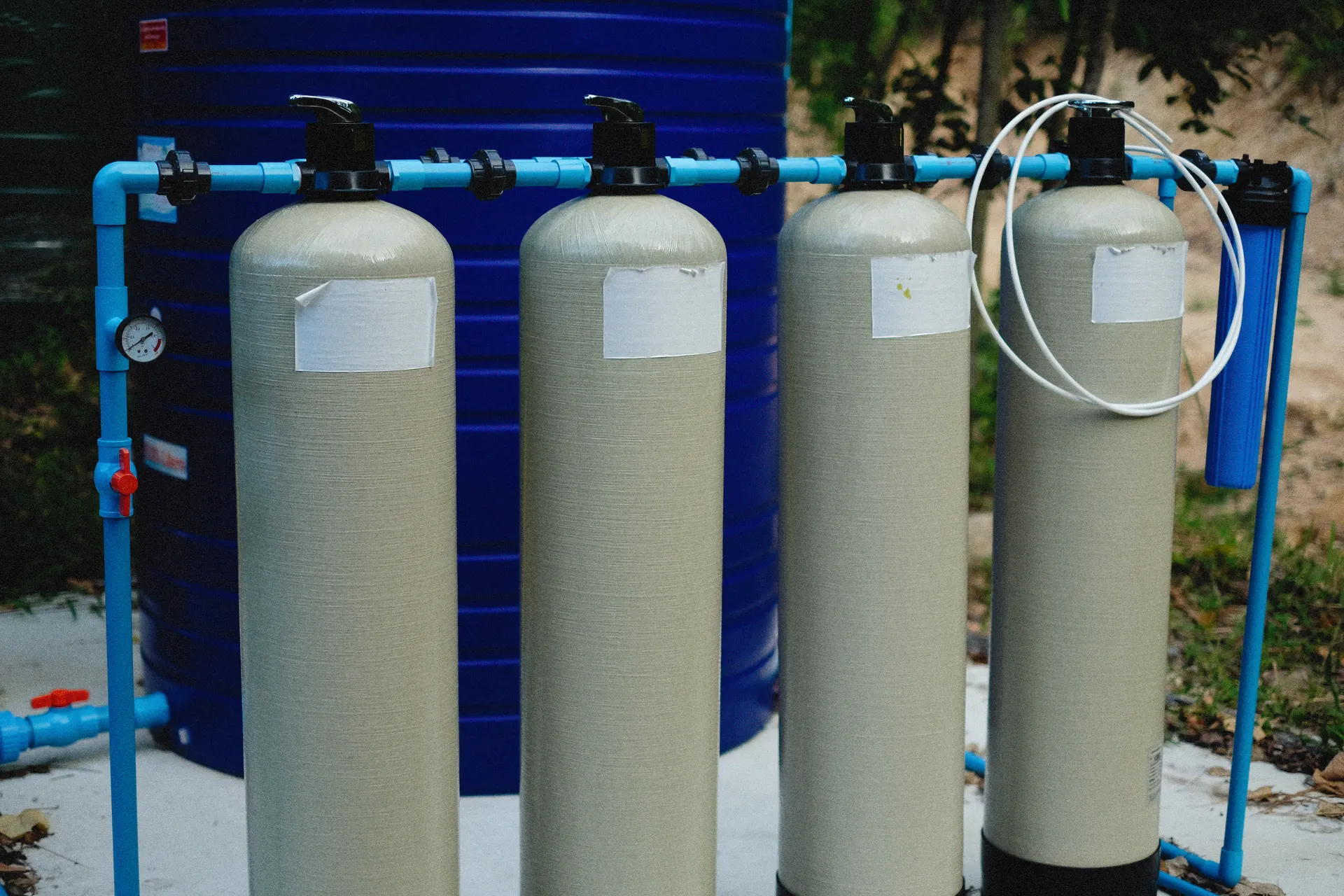
We size, install, and program softening systems matched to your actual water hardness and household size — not a generic unit pulled off the shelf. Every install is a complete system: resin tank, brine tank, bypass valve, and a regeneration schedule tuned to real usage.
Correctly Sized Softener Installation
Sizing starts with your water's actual hardness in grains per gallon, not a guess — Grand Island's municipal supply averages 18 to 22 gpg, though a private well outside town can run differently. We test on-site before recommending a system size.
From there, we size the resin tank to your household's daily water use — the average American family uses more than 300 gallons a day — and set the regeneration cycle so the system recharges before it runs out of capacity, not after.
Salt-Based & Salt-Free Systems
Salt-based ion-exchange softeners, built to NSF/ANSI 44 standards, physically remove calcium and magnesium from the water — the only method that actually reduces hardness. Salt-free conditioners alter mineral crystal structure instead, which can reduce scale buildup without a true softening effect.
In water as hard as Grand Island's, we generally recommend true softening over a salt-free conditioner, and we'll tell you honestly which one fits your situation instead of defaulting to whichever costs more.
Whole-Home Placement & Setup
A softener installs on the main line before your water heater, so every fixture in the house — not just one faucet — gets treated water. We route the bypass valve so you can service the unit without shutting off water to the whole home.
Installation typically takes two to four hours, including connecting the brine tank, setting the regeneration timer, and running a full system test before we consider the job done.
The Benefits
Water Softener Installation Benefits
Softening the water before it reaches your plumbing protects everything downstream — and in a market where the water runs this hard, that protection compounds every year the system stays installed.
Protects Your Water Heater & Appliances
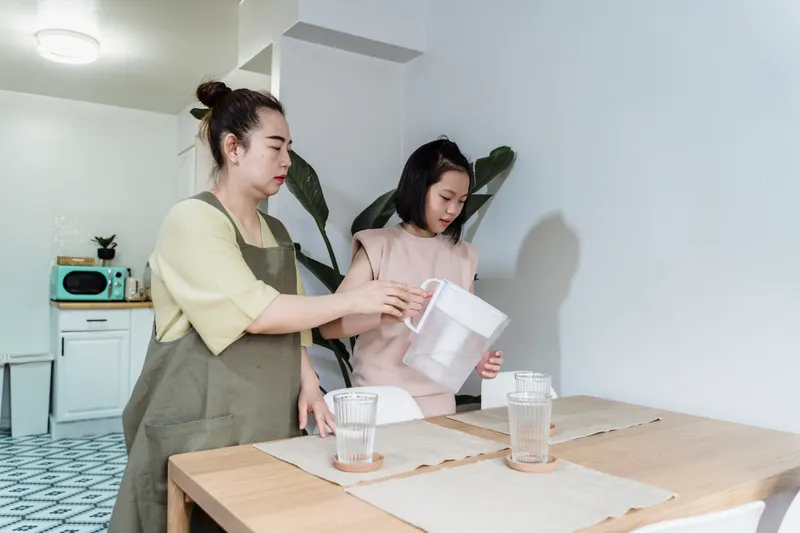
Scale forms fastest wherever water heats up, which makes your water heater the first thing to suffer from Grand Island's mineral load. A softener removes that mineral before it ever reaches the tank, extending the life of heaters, dishwashers, and washing machines alike. If you're already dealing with a scaled unit, pairing a softener with water heater repair stops the same buildup from shortening the replacement's life too — treating the cause instead of the symptom again.
Noticeably Softer Skin, Hair & Laundry
Hard water leaves a mineral film behind on skin and in fabric, which is why soap doesn't lather well and towels feel stiff even right out of the dryer in homes on Grand Island's untreated supply. Softened water lets soap and detergent actually rinse clean, which most households notice within the first week — less residue, brighter laundry, and less product needed to get the same result.
Lower Long-Term Maintenance Costs
Scale buildup is what sends a plumber back to the same house every year or two — clogged aerators, slow-draining fixtures, and appliances failing early. A correctly sized softener cuts most of those calls out entirely, and households typically use noticeably less soap, detergent, and cleaning product once mineral buildup stops fighting every wash cycle.
Why Us
Why Grand Island Chooses Us for Water Softeners
Sizing a softener correctly for water this hard takes an on-site hardness test, not a catalog default.
We Size to Hall County's Actual Water
We test and size softeners against Grand Island's 18-to-22 grain municipal water, and the citywide average can undersell a specific address. Wells and village systems in the surrounding towns can run differently, so we test your water rather than installing off the citywide number alone.
Honest Equipment Recommendations
We install genuine NSF/ANSI 44-rated softeners, not salt-free units marketed as a substitute when your water is hard enough to need the real thing. If a smaller, cheaper unit genuinely covers your household's usage, that's what we quote — not the biggest tank we have on the truck.
Permitted, Inspected & Warrantied
Softener installation in Grand Island falls under the city's plumbing permit requirements under City Code Chapter 26, and we pull that permit as part of the job rather than leaving it to you. Every system ships with a manufacturer warranty plus our own installation guarantee.
Curious what hard water is already doing to your fixtures? Head back to Emergency Plumber Grand Island for the full list of services we run across Hall County, or see how scale shows up as water heater repair once it's done enough damage. For anything urgent, our emergency plumber page covers same-day dispatch, and if hard water has also left mineral rings and slow drains behind, drain cleaning clears out what's already built up.
Service Area
Serving Grand Island & Surrounding Areas
Frequently Asked Questions
How much does water softener installation cost in Grand Island?
Water softener installation in Grand Island typically runs $1,000 to $3,500 installed, depending on the system's capacity and whether it's a basic salt-based unit or a higher-capacity whole-home system. Installation itself takes about two to four hours once the crew is on-site, including connecting the bypass valve, setting up the brine tank, and programming the regeneration schedule. We test your actual water hardness before quoting, since a system sized for 18 grains per gallon costs less than one sized for the higher end of the local range.
How hard is Grand Island's water, exactly?
Grand Island's municipal water runs 18 to 22 grains per gallon, which converts to roughly 308 to 376 milligrams per liter using the standard conversion of about 17.1 mg/L per grain. USGS classifies anything above 180 mg/L as 'very hard,' meaning Grand Island's water sits well over double that threshold at the high end of its range. That level of hardness is why scale forms quickly on fixtures, water heaters, and appliances throughout the city without a softener in place.
How do you decide what size softener I need?
Sizing starts with two numbers: your water's hardness in grains per gallon and your household's daily water use. The average American family uses more than 300 gallons a day, so a four-person household needs meaningfully more softening capacity than a couple in a smaller home, even on the same water supply. We test your specific hardness on-site and size the resin tank so it regenerates on a schedule that matches real usage, rather than running out of capacity mid-week or regenerating more often than necessary.
What's the real difference between salt-based and salt-free water softeners?
A true salt-based softener, built to NSF/ANSI 44 standards, uses an ion-exchange process to physically remove calcium and magnesium from the water — that's the only method that actually lowers hardness. A salt-free 'conditioner' alters the mineral crystal structure instead, which can reduce how scale sticks to surfaces but doesn't remove the hardness itself or show up as a lower grains-per-gallon reading. In water as hard as Grand Island's, we generally recommend true softening, since a conditioner alone often isn't enough to meaningfully protect a water heater or fixtures long-term.
What does 'regeneration' mean, and will it waste water?
Regeneration is the cycle where the softener flushes accumulated minerals off its resin bed using a saltwater brine solution, then rinses the resin clean and refills the brine tank — it's what lets the same system keep softening water indefinitely instead of wearing out. Modern metered softeners regenerate based on actual water use rather than a fixed timer, which uses less water and salt than older calendar-based systems. A correctly sized system for an average Grand Island household typically regenerates every few days, usually overnight when no one needs water anyway.
Will a water softener fix damage my water heater already has?
No — a softener prevents future scale buildup, but it won't reverse mineral deposits already sitting on a burner, heating element, or tank wall. If your water heater is already showing signs of scale damage, like popping noises or reduced hot water output, that typically needs a separate water heater repair visit alongside the softener install. Installing both together is common in Grand Island, since it fixes the existing damage and removes the mineral load causing the next round of it.
Do I need a permit to install a water softener in Grand Island?
Yes — plumbing work in Grand Island, including softener installation, falls under the city's Building Services Division permitting requirements per City Code Chapter 26. We pull the permit as part of the installation rather than leaving that paperwork to the homeowner, and the system is inspected as part of the standard process. Smaller surrounding villages like Alda and Doniphan generally handle permitting at the village-board level instead of a full city building department, so the process varies slightly outside Grand Island's own city limits.
Does a water softener remove nitrates or make well water safer to drink?
No — a water softener is designed specifically to remove hardness minerals like calcium and magnesium, not nitrates or other drinking-water contaminants, which require entirely different equipment such as reverse osmosis or nitrate-specific treatment media. This distinction matters most for households on private wells outside Grand Island's corporate limits, since acreages surrounding villages like Cairo, Wood River, and Chapman commonly rely on private wells rather than a municipal system. If nitrate is a concern for a specific well, that's a separate water-quality question from hardness and needs its own testing and treatment plan.
How long does a water softener last, and what maintenance does it need?
A quality softener's resin bed typically lasts 10 to 15 years before it needs replacing, though the brine tank and control valve can need attention sooner. In Grand Island's mineral-heavy water, ongoing maintenance mostly means keeping the brine tank stocked with salt and checking periodically that it isn't bridging or crusting over, which stops regeneration from working properly. We check softener performance during any other plumbing visit at the same address, since a system quietly failing to regenerate looks identical to one working correctly until scale starts showing up again.
Where does a water softener get installed, and will it affect my water pressure?
A softener installs on the main water line, typically near where it enters the house, before the water heater — that placement is what lets it treat every fixture in the home rather than just one tap. A correctly sized system shouldn't cause a noticeable pressure drop; pressure problems usually mean the unit is undersized for the household's peak demand rather than a normal side effect of softening. We size the system to your home's actual fixture count and daily usage specifically to avoid that tradeoff.
Stop Fighting Hard Water
Local softener installation sized to your home, with same-day scheduling across Grand Island.
(716) 442-8748