Emergency Plumbing · Grand Island, NE
Leak Detection & Repair in Grand Island, NE
Emergency Plumber Grand Island goes after the leaks nobody can see — the ones that never announce themselves with a puddle. We run leak detection, slab leak locating, pinhole leak repair, and hidden wall leak tracing using acoustic and thermal equipment, handling everything from the first listening pass through the final patch.
A slow leak rarely looks urgent, which is exactly the problem. The average family wastes roughly 9,400 gallons a year to leaks that are never fixed, according to EPA WaterSense. Grand Island's own municipal water runs 22 grains per gallon of hardness, well past the USGS threshold for 'very hard,' and that mineral load doesn't just scale a water heater — it accelerates pinhole corrosion in aging copper Type M supply lines years before they'd otherwise fail.
A full acoustic and pressure-test survey usually takes one to two hours and pinpoints the leak's location without opening a wall first. Every detection visit comes with a written estimate for the repair itself before any cutting starts — no exploratory demolition billed as guesswork.
When Grand Island homeowners choose us for leak detection, they're getting the same crew that runs our 2 AM–11 PM emergency plumbing line — equipment built to find a leak precisely, so the repair opens the smallest hole possible and closes out a water bill that's been climbing for months.
What We Do
Our Leak Detection Services in Grand Island
Finding a hidden leak without tearing out a wall takes the right instrument for the right symptom — whether that's a fixture connection, a **water heater** tank seam, or a slab line three feet down.
Acoustic & Thermal Leak Surveys
Acoustic equipment picks up the specific sound of water escaping under pressure through soil, slab, or a wall cavity, while a thermal imaging camera reads the temperature difference a leak leaves behind on a slab or ceiling.
Used together, the two methods narrow a leak's location to inches rather than a whole room, which is what keeps the eventual repair small.
Pressure Testing & the Meter-Dial Check
Isolating sections of the plumbing system and watching pressure drop tells us which zone the leak is in before any equipment even comes out of the truck — often the fastest first step on a whole-house mystery leak.
We also walk you through reading your own water meter's leak-indicator dial with everything in the house shut off; if it's still spinning, water's moving somewhere it shouldn't.
Slab Leaks & Pinhole Supply-Line Repair
A slab leak under the foundation and a pinhole leak in an aging copper Type M supply line get found the same way — acoustically and thermally — but repaired differently, sometimes by rerouting the line above the slab instead of breaking concrete.
Grand Island's hard water accelerates pinholing in older copper runs, so a first pinhole is often a sign more are coming in the same section of pipe, not a one-off.
The Benefits
Leak Detection Benefits
A leak found early is a small repair. A leak found late is a warped floor, a mold problem, and a water bill nobody can explain — the gap between those two outcomes is almost entirely about timing.
Finds the 10% of Homes Losing 90+ Gallons a Day
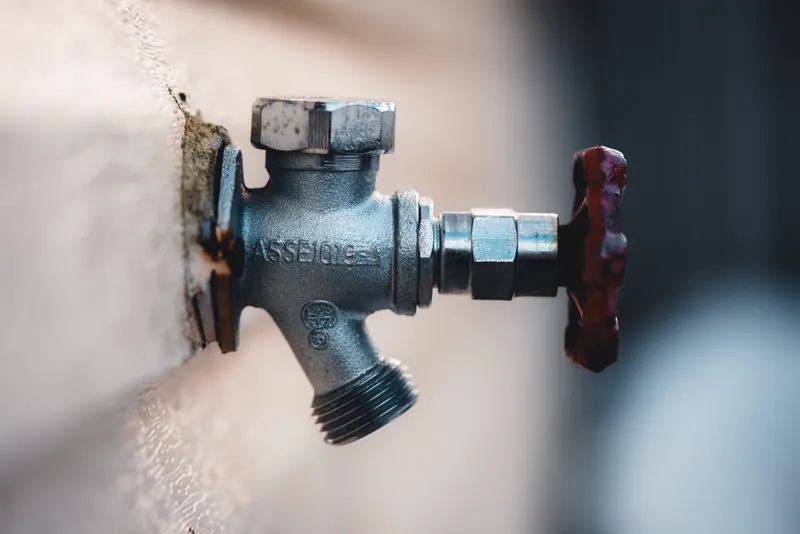
EPA WaterSense estimates that 10 percent of homes have a leak wasting 90 gallons or more every day, often with no visible sign beyond a climbing water bill. A running-meter test with every fixture off is the fastest way to confirm whether your home is in that group, and it takes minutes, not hours. Catching that scale of loss early is the difference between a single repair and months of paying for water that never reached a faucet.
Protects the Slab and Foundation, Not Just the Pipe
A slab leak left unaddressed doesn't just waste water — sustained moisture under a foundation can soften soil and contribute to slab movement over time. Finding the exact point with acoustic and thermal equipment means the repair targets one section of pipe instead of guessing across an entire slab. That precision keeps both the water bill and the eventual repair bill from growing together.
A Detection Visit Comes With a Real Estimate
You get a written repair estimate at the end of the detection visit, based on the exact leak found, not a range quoted before anyone's looked. If the leak turns out simpler than expected — a fixture connection instead of a slab line — the price reflects that smaller job, not the worst-case scenario we walked in braced for.
Why Us
Why Choose Us for Leak Detection
Finding a leak precisely takes the right equipment and the patience to actually use it — both are standard on every visit.
Real Acoustic & Thermal Equipment, Not Guesswork
Every leak detection visit uses acoustic listening equipment and a thermal imaging camera, not a screwdriver and a hunch. That's the difference between opening one precise access point and cutting a trail of exploratory holes across a slab or wall hoping to get lucky.
We Know Grand Island's Hard-Water Pattern
Under Grand Island's 22-grains-per-gallon water, the older copper supply lines are the ones due for pinhole trouble, and noting where those lines run in houses built across Hall County is the first step of every survey. That pattern check shortens a detection visit before the equipment even comes out.
One Written Estimate, No Exploratory Surprises
The estimate you get after detection is based on the leak we actually found, confirmed before any repair work begins. There's no open-ended 'we'll know more once we start cutting' — the survey's whole purpose is removing that uncertainty first.
A leak that's already turned into a full break is a different job — see burst and frozen pipe repair for that side of things — and if hard water is the root cause behind repeat pinholes, water softener installation is worth a look too.
Frequently Asked Questions
How can you find a leak without tearing out my wall or slab?
Acoustic equipment listens for the specific sound of pressurized water escaping through soil, concrete, or a wall cavity, and a thermal imaging camera reads the temperature difference a leak leaves on a slab or ceiling surface. Used together, those two methods usually narrow a leak's location to a specific few inches rather than an entire room. That precision is what keeps the eventual repair to one targeted opening instead of exploratory holes across a wall or floor. A full survey typically takes one to two hours depending on the size of the house and how many fixtures need isolating.
What are the signs I might have a hidden leak I can't see?
An unexplained jump in your water bill with no change in usage is the most common tell, followed by a warm or damp spot on an otherwise normal floor, which usually points to a slab leak on the hot side. A musty smell in one part of the house that doesn't clear up, or the sound of running water when every fixture is off, are two more. The simplest test is the meter-dial check: shut off every fixture and appliance in the house, then watch the small leak-indicator dial on your water meter — if it's still turning, water is moving somewhere it shouldn't.
How much water does a typical undetected leak actually waste?
According to EPA WaterSense, the average American family wastes roughly 9,400 gallons of water a year to leaks that go unaddressed — equivalent to more than 200 loads of laundry. About 10 percent of homes have a leak severe enough to waste 90 gallons or more every single day, usually with no visible sign beyond the water bill. Fixing those leaks typically cuts a household's water bill by around 10 percent once found. Most homeowners are surprised how much smaller the actual leak is once it's located, compared to how large the bill increase looked.
Why does Grand Island's hard water make pinhole leaks more common?
Grand Island's municipal water runs about 22 grains per gallon of hardness — more than double the USGS threshold for 'very hard' water — and that mineral load corrodes the inside of aging copper supply lines faster than it would in a softer-water city. Copper Type M, a thinner-walled pipe common in older construction, is especially prone to pinhole failures once that internal corrosion has been working for years. One pinhole in a section of copper pipe is often a sign the surrounding run is close behind it, not an isolated event. That's part of why a whole-run assessment, not just a single-point patch, is usually the right call once a pinhole shows up.
What's a slab leak, and how do you find one under a concrete foundation?
A slab leak is a break in a water or drain line running underneath a home's concrete foundation, and it's found the same way as any other hidden leak — acoustically, by listening for the sound of escaping water through the slab, and thermally, by reading the heat signature a hot-water leak leaves on the floor surface above it. Once the leak is pinpointed to a specific area, repair options include breaking a small, targeted section of slab or rerouting the line entirely above the floor to avoid the concrete altogether. Slab leak repairs typically run $2,000 to $6,000 or more, largely depending on which repair method fits the situation. Sustained moisture under a foundation from an unaddressed slab leak can also soften soil and contribute to slab movement over time, which is part of why catching it early matters.
Can a leak detection survey tell me exactly how much a repair will cost?
Yes — you get a written repair estimate at the end of the detection visit, based on the specific leak that was actually found rather than a phone-quoted range. Electronic and acoustic leak detection surveys themselves typically run $150 to $600, and that cost is credited toward the repair if you move forward with us the same visit. Because the estimate reflects the real leak — a fixture connection versus a slab line, for example — it can come in lower than a worst-case number you may have been braced for. There's no open-ended 'we'll know more once we start cutting' once the survey is done.
Is a running toilet actually a leak worth calling about?
Yes — toilets account for nearly 30 percent of a home's indoor water use, and a worn flapper or fill valve can silently waste hundreds of gallons a day without ever overflowing. It's one of the easiest leaks to miss because there's no puddle, just a slightly higher bill and, sometimes, a faint hiss you get used to hearing. Most running-toilet repairs are quick fixture-level fixes rather than a full detection survey, since the source is obvious once you lift the tank lid. If the toilet was recently serviced and still runs, or you can't identify the source yourself, that's when a fuller leak assessment makes sense.
How is leak detection different from what happens on a burst pipe call?
A burst pipe is an active, visible emergency — water is already escaping and the first job is an immediate shutoff, not a survey. Leak detection is the opposite scenario: a slow, hidden loss with no obvious source, where the whole point of the visit is locating the problem before any repair work starts. The equipment and mindset differ accordingly — a burst call moves fast toward a shutoff valve, while a detection visit moves methodically through acoustic and thermal checks. If your situation involves water actively escaping right now, that's a same-hour emergency call, not a scheduled detection appointment.
Will you need to shut my water off during a leak detection visit?
Usually not for the detection survey itself — isolating sections of the plumbing and running the meter-dial check can typically be done with water on, section by section, rather than shutting off the whole house. Water may need to come off briefly once we've pinpointed the leak's exact location, to confirm the finding before repair work begins. A full house shutoff is really only necessary if the repair itself requires it, which we'll walk you through before it happens. Most detection visits leave your household with running water the entire time, aside from that brief confirmation step.
How often should I have my plumbing checked for leaks I can't see?
There's no fixed schedule that fits every house, but a good trigger is any unexplained rise in your water bill, a home over 40 years old with its original copper supply lines, or simply not having had a check in the last few years. Homes with Grand Island's hard-water profile are worth checking sooner rather than later, since pinhole corrosion in aging copper accelerates with mineral content rather than staying constant over time. A meter-dial check with everything off takes only a few minutes and costs nothing, so it's a reasonable thing to do seasonally on your own. Call in a full acoustic and thermal survey once that self-check suggests something's actually moving.
Stop Guessing Where the Leak Is
Acoustic and thermal detection, a written estimate, and a repair sized to the actual leak. Call (716) 442-8748.
(716) 442-8748